Iceland Destination Guide
Iceland is a small island country located in Northern Europe. It's located in the Atlantic Ocean between the British Isles and Greenland, with which it could easily exchange names as paradoxically – and unlike Greenland – Iceland actually remains green for most of the year, in spite of its name.
With a thousand years of mixed Gaelic and Norse influences and having existed under the rule of Norwegian and Danish monarchies, Iceland only gained its independence in 1918. Due to its relative geographic isolation, Icelanders are community-oriented and have long-standing cultural traditions. This includes the continuous use of Icelandic – one of the oldest languages in the world – which remains mostly unchanged as recorded in the cherished Viking sagas dating back to the Middle Ages.
An Iceland Travel Guide must also mention the country's remarkable recovery and economic revival after its controversial bankruptcy in 2008, which resulted in a government changeover, mass arrests of officials and financiers, and subsequent nationalisation of the country's main bank. These events put Iceland on many more traveller's radars as an interesting (and considerably less expensive) destination of choice, and a pioneer of successful new approaches in view of the European economic crisis.
Home to only around 320,000 people, most of whom live in and around the capital Reykjavík, Iceland is sparsely populated but rich in beautiful landscapes of flowing lava fields, rugged mountains, highlands and glaciers. Iceland tours almost always include a stop at the famous Blue Lagoon, Iceland's premier geothermal spa, where the temperature remains a constant 40 degrees Celsius all year round. Due to the country's location near the Arctic Circle, many travellers are compelled to undertake Iceland holidays during the Northern hemisphere winter season, as from November to February is when the famous Northern Lights appear. The awe-inspiring display, known by its scientific name as Aurora Borealis, most often appears in green hues and on rare occasions pink and blue. Other fascinating activities include volcano treks, elf spotting (elves are taken very seriously in Iceland and are no laughing matter), glacier hiking, whale watching and many forms of adventure sports.
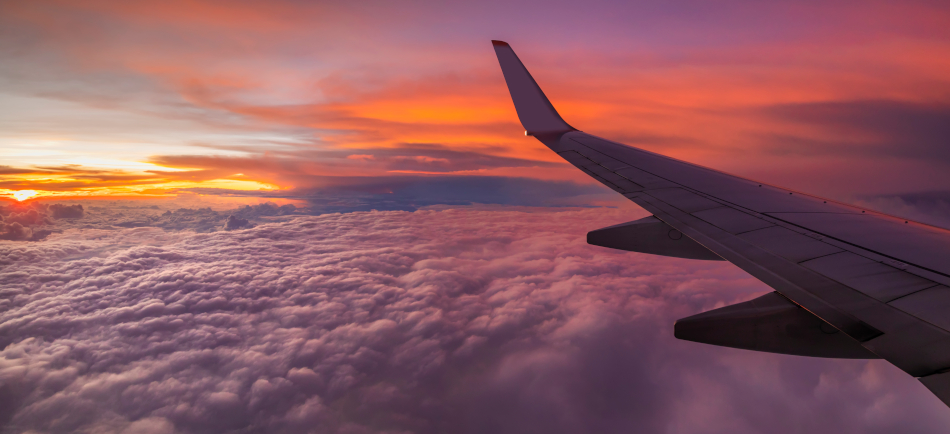
Flights to Iceland depart regularly from major European communication hubs such as London and Frankfurt, as well as from neighbouring Nordic countries Norway and Sweden, giving you the perfect opportunity to break up your travel with an attractive stopover.